
Most homeowners don’t regret improving their homes. What they often regret is investing in upgrades that looked appealing at the time but delivered little value in return.
A beautiful renovation can certainly make a home more enjoyable to live in, but the smartest projects do more than improve appearances. They lower energy costs, reduce maintenance expenses, improve functionality, and increase resale value. Over time, some upgrades can offset a significant portion of their initial cost through savings and added equity.
The challenge is knowing where to invest. With endless renovation ideas available online, it’s easy to spend money on projects that feel exciting today but provide little long-term benefit. At the same time, practical improvements that generate measurable returns are often overlooked because they aren’t as visually dramatic.
Whether you’re planning a full remodel or making strategic improvements one project at a time, understanding which renovations offer the best return on investment can help you make more confident decisions.
In this guide, we’ll explain what home renovations entail and offer an expert’s point of view on how to plan a renovation project. Matt Froehler, owner of J.M. Froehler Construction, spoke with us to share his thoughts and expertise for our readers.
Get inspiration from 18 smart upgrades that can improve efficiency, enhance comfort, and potentially pay for themselves over time through savings and increased home value.
What is the meaning of home renovation?
A home renovation is the process of improving, updating, or restoring an existing home to better meet the needs of the people living in it.
“Unlike new construction, renovations work within the structure that already exists. The goal may be to modernize outdated spaces, improve functionality, increase energy efficiency, repair aging components, or enhance property value.” – Matt Froehler
Home renovations can range from small projects, such as replacing flooring or updating fixtures, to large-scale transformations involving kitchens, bathrooms, additions, and complete floor plan reconfigurations.
The best renovations solve a problem while adding lasting value. In many cases, homeowners are not simply changing how a home looks—they are improving how it performs, functions, and supports their lifestyle.
In what order should you renovate a house?
According to our interviewee, one of the biggest mistakes homeowners make is focusing on finishes before addressing the underlying structure and systems of the home.
A successful renovation typically follows a logical sequence that prevents costly rework and unexpected delays.
A common order includes:
1. Planning and design
- Define goals
- Establish a budget
- Finalize drawings and selections
2. Permits and approvals
- Secure required permits
- Confirm compliance with local regulations
Virginia Beach Building Note: Permits are issued by the Department of Planning to ensure compliance with the Virginia Uniform Statewide Building Code. Review the comprehensive guide to Virginia Beach building permits!
3. Structural work
- Foundation repairs
- Framing changes
- Additions or layout modifications
4. Major systems
- Plumbing
- Electrical
- HVAC
5. Insulation and drywall
- Improve energy efficiency
- Close walls after inspections
6. Flooring and cabinetry
- Install permanent features
- Prepare to finish work
7. Interior finishes
- Paint
- Trim
- Fixtures
- Hardware
8. Final details
- Punch-list items
- Final inspections
- Cleaning and move-in preparation
Following the proper sequence helps avoid situations where finished work must be removed to access systems hidden behind walls or beneath floors.
If you live in Virginia Beach, planning is especially important because coastal weather, moisture management, and local building requirements can influence both project timelines and construction methods.
What are the different types of renovations?
Not all renovations serve the same purpose. Some focus on aesthetics, while others prioritize efficiency, safety, functionality, or long-term value.
The most common renovation categories include the following.
Cosmetic Renovations
These projects improve appearance without significantly altering the home’s structure.
Examples include:
- Painting
- Flooring replacement
- Updated lighting
- New fixtures
- Cabinet refinishing
Cosmetic upgrades can dramatically improve how a home feels while typically requiring less time and investment.
Functional Renovations
Functional renovations focus on improving how the home works for everyday living.
Examples include:
- Kitchen remodels
- Bathroom remodels
- Laundry room upgrades
- Improved storage solutions
- Floor plan modifications
These projects often deliver some of the strongest lifestyle benefits for homeowners.
Energy-Efficient Renovations
These upgrades are designed to reduce operating costs and improve home performance.
Examples include:
- Window replacement
- Improved insulation
- Energy-efficient HVAC systems
- Smart thermostats
- Solar-ready infrastructure
Many of the upgrades discussed later in this guide fall into this category because they can generate measurable savings over time.
Structural Renovations
Structural projects address the integrity and safety of the home.
Examples include:
- Foundation repairs
- Roof replacement
- Framing modifications
- Water damage remediation
Although these projects may not be the most exciting visually, they often protect the value of every other improvement made to the property.
Lifestyle and Expansion Renovations
These renovations create additional living space or adapt the home to changing needs.
Examples include:
- Room additions
- Garage conversions
- Home offices
- Outdoor living spaces
- Finished basements
For many homeowners, these projects provide the greatest improvement in daily comfort while also increasing overall property value.
What are examples of home renovations?
1 – Open-Concept Bathroom Additions

Design Note: This functional expansion is featured in our dedicated bathroom ideas blog post.
A major home renovation example involves reconfiguring structural floor plans to build an expansive, spa-like primary suite. This layout seamlessly blends a freestanding soaking tub, a custom-tiled frameless glass shower, and a central storage island. This lifestyle expansion transforms standard utility into a high-end personal retreat.
2 – Lifestyle and Expansion Room Additions
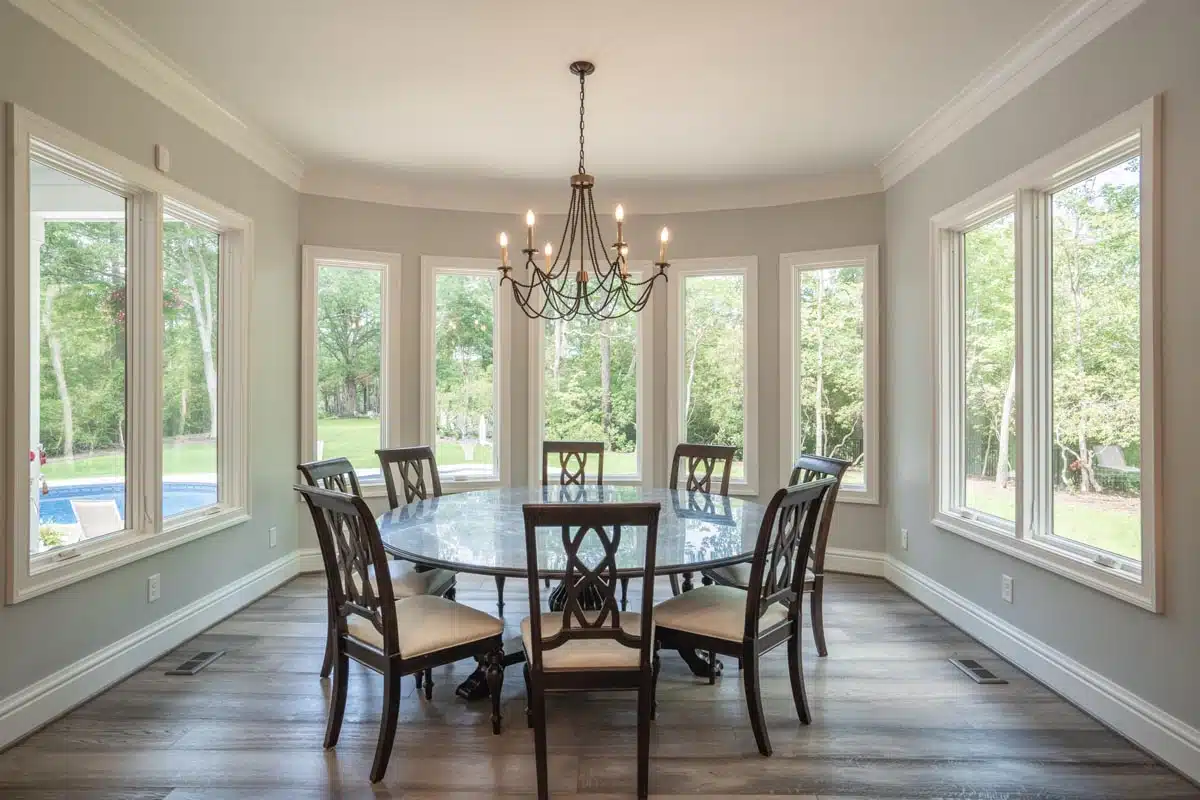
“Building a dedicated dining room or sunroom extension is a prime example of a lifestyle and expansion renovation.” – Matt Froehler
This project incorporates a curved wall of large, energy-efficient windows that flood the room with natural light while providing panoramic backyard views.
Crown molding and a central wrought-iron chandelier elevate the space, turning an empty layout into an inviting, high-value gathering hub.
3 – Functional Beverage Stations and Wet Bars
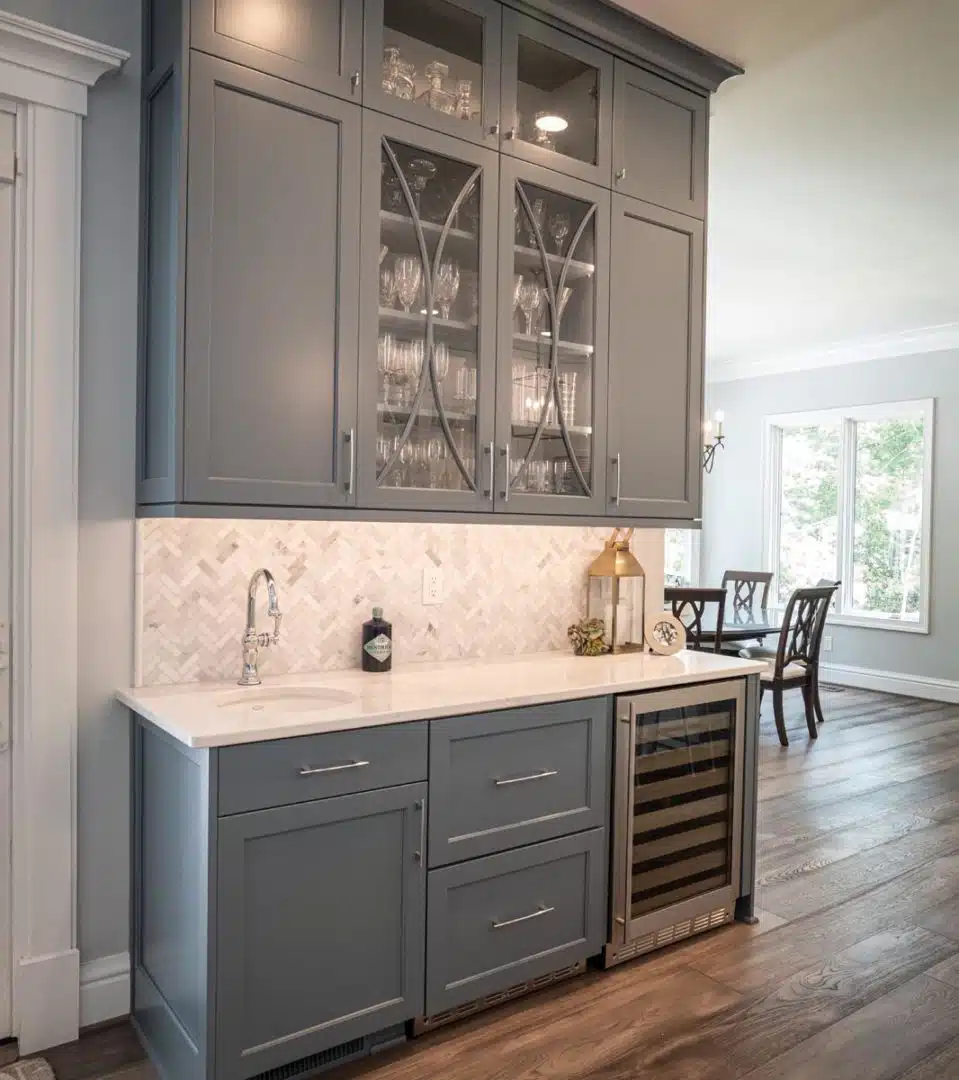
Adding a dedicated wet bar or beverage station is an excellent example of a functional home renovation.
This upgrade maximizes underutilized floor space by introducing custom cabinetry, an integrated wine refrigerator, and a built-in prep sink.
Mullion glass upper doors and under-cabinet lighting turn the station into a striking architectural focal point that dramatically improves the home’s everyday entertainment flow.
4 – Comprehensive Multi-Zone Bath Transformations
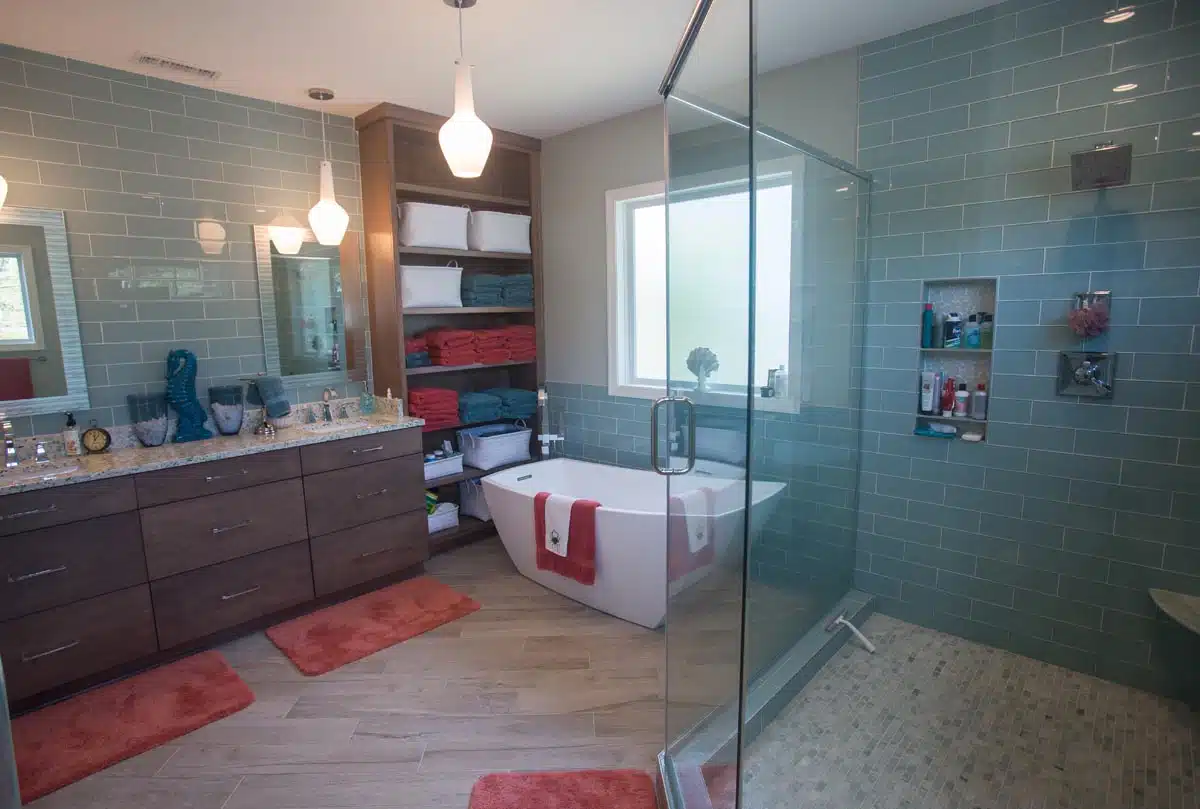
A full-scale bathroom overhaul serves as a prime example of a high-value functional renovation. This layout maximizes open floor area by pairing a double vanity and custom open shelving with a freestanding tub. It eliminates visual barriers using a frameless glass enclosure, highlighting sea-glass blue subway tile that wraps into the shower.
5 – High-Function Open Kitchen Remodels
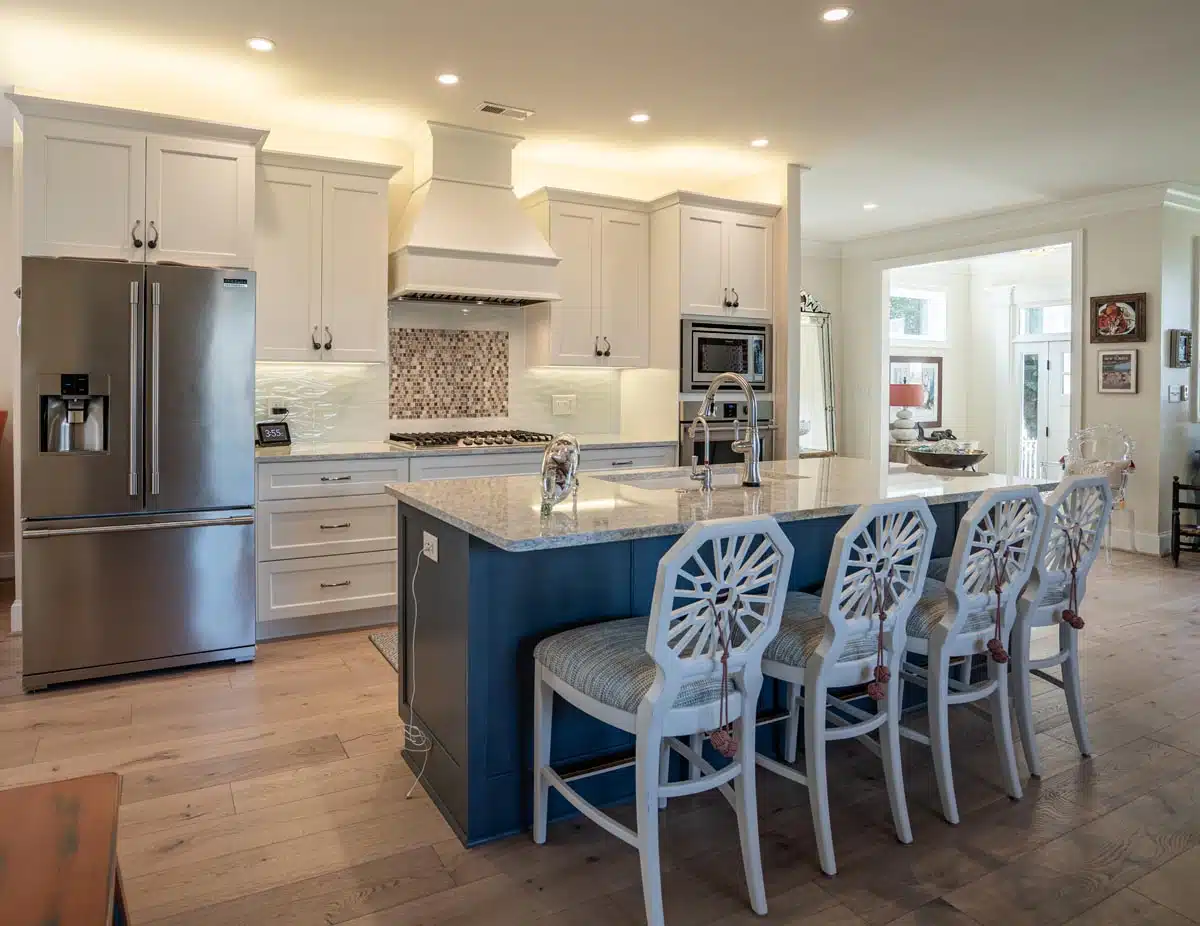
This functional transformation is one of the features in our dedicated kitchen ideas blog post.
A classic kitchen remodel is a premier example of a functional renovation that dramatically improves daily home life. This design incorporates a deep blue island for central prep and seating, contrasting beautifully with white perimeter cabinetry.
Layered illumination—including under-cabinet task lighting and overhead ambiance—keeps sightlines clean, maximizing both storage capacity and social workflow.
6 – Energy-Efficient Window Replacements
Upgrading to premium window installations is a prime example of an energy-efficient home renovation. This project highlights a curved bump-out layout featuring large window panels that maximize natural light while lowering daily heating and cooling costs. Paired with timeless crown molding and a central wrought-iron fixture, it protects the home’s structural integrity while delivering continuous operational savings.
7 – Cosmetic Millwork and Interior Finish Updates
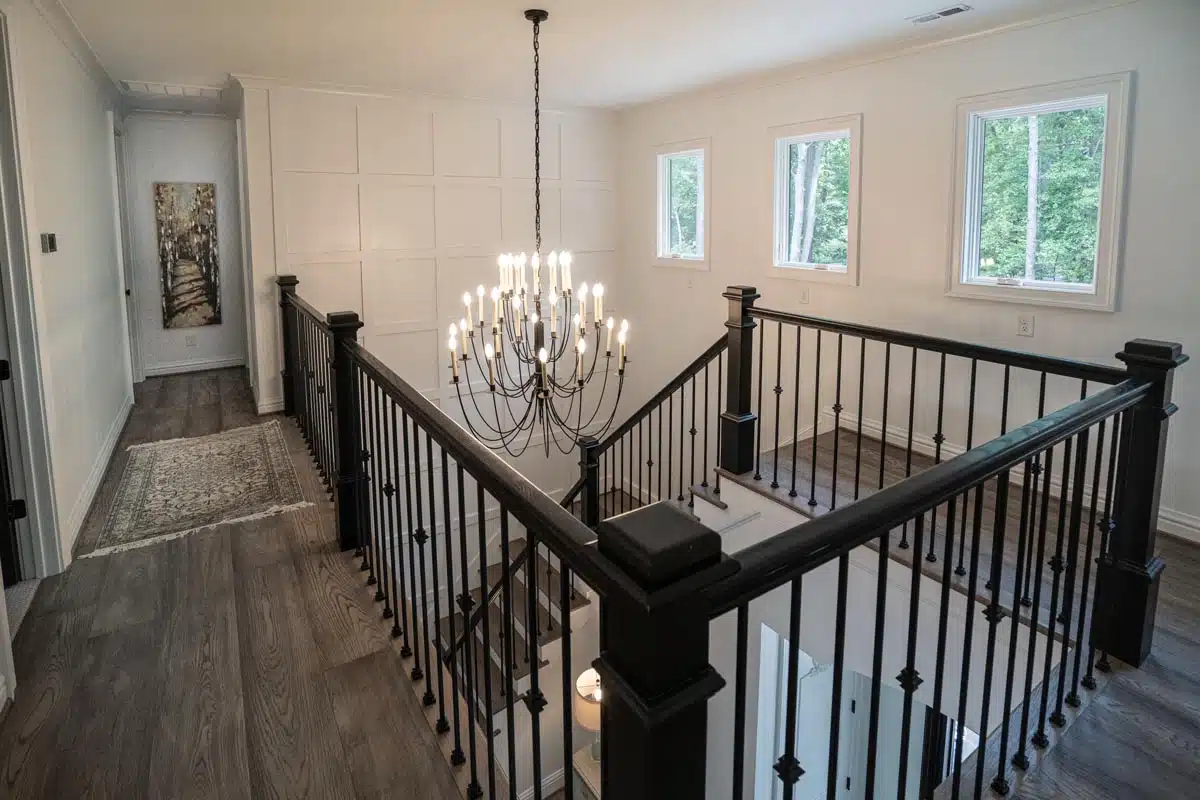
Executing surface-level cosmetic renovations can dramatically alter how a home feels without altering its underlying footprint. This staircase landing features custom floor-to-ceiling board and batten millwork on the accent wall, paired with an elegant multi-tier candle chandelier.
Updated luxury vinyl plank flooring and high-contrast dark iron balusters maximize visual depth, creating a sophisticated transition zone that adds instant aesthetic value.
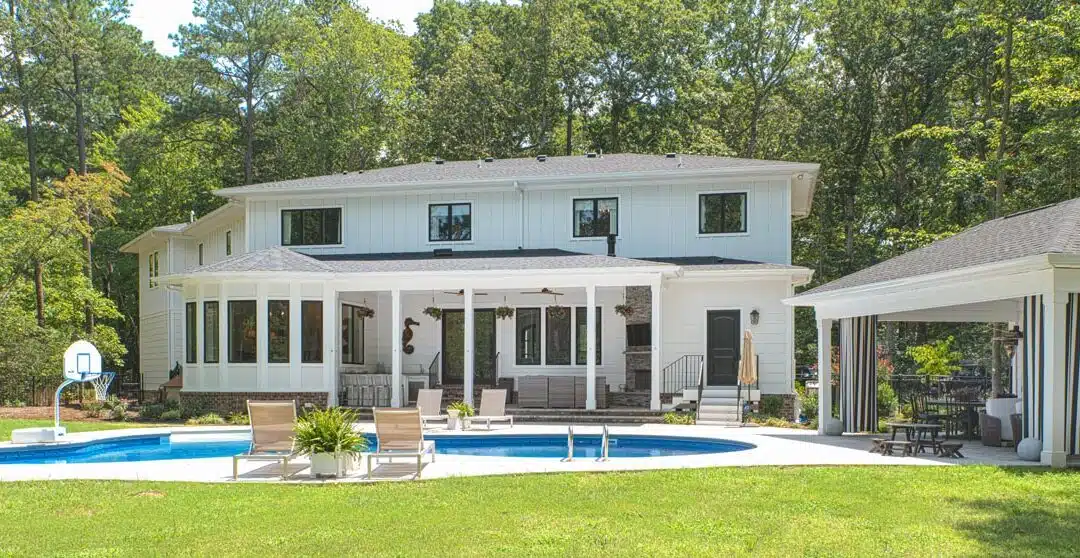
8 – Covered Porch Extensions
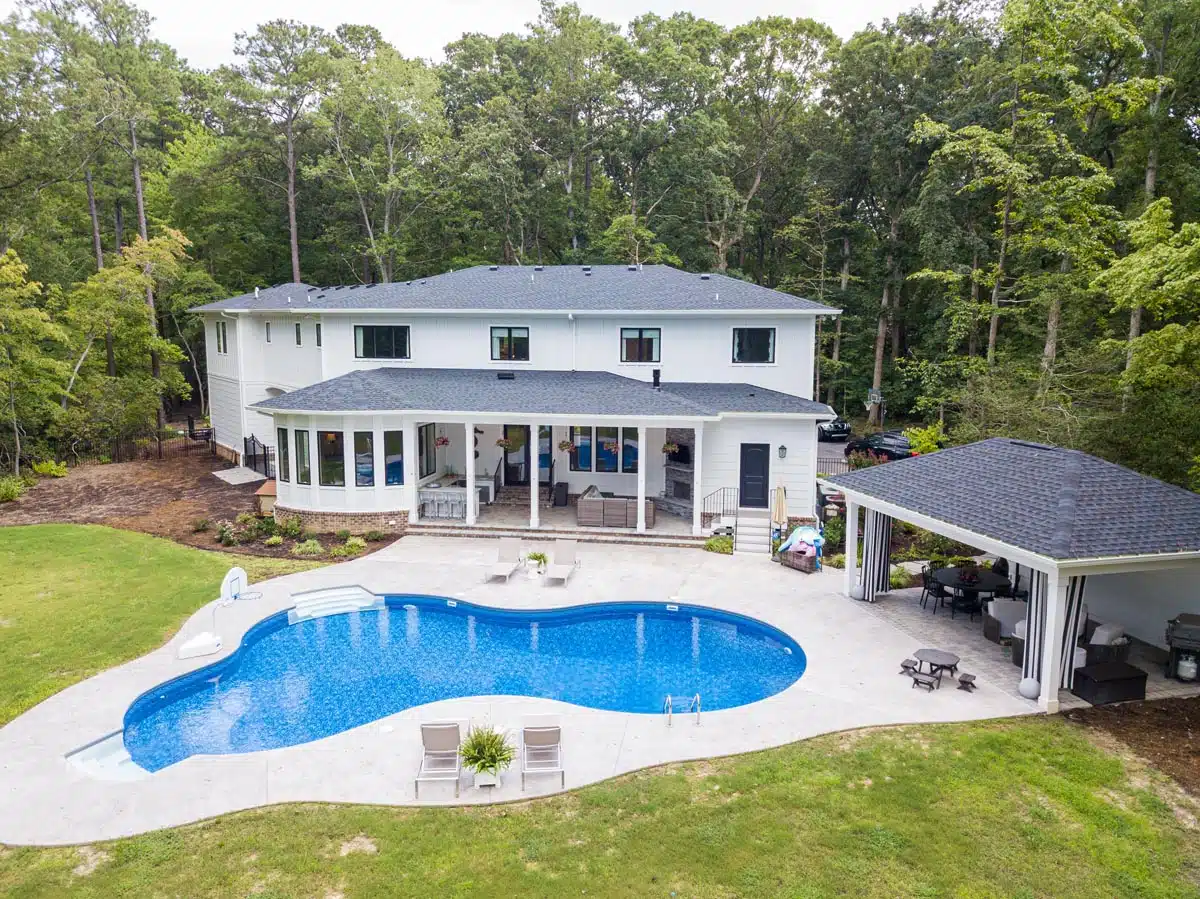
Constructing a seamless, covered rear porch extension is an excellent example of a lifestyle renovation that maximizes your home’s footprint.
This attached structure provides a shaded outdoor seating zone, complete with an integrated stone fireplace and lounge area. By bridging the gap between indoor comfort and the backyard, it creates a high-value entertainment hub designed for year-round enjoyment.
9 – Detached Pavilions and Entertainment Cabanas
This same project can also bring a major functional and lifestyle upgrade… Take a closer look at the permanent structure, which features a fully covered roof, matching architectural shingles, and privacy curtains to define a dedicated zone for outdoor dining and poolside lounging.
It effectively expands your usable living space into the yard without modifying the home’s main structural walls.
10 – In-Ground Pool and Hardscape Integration
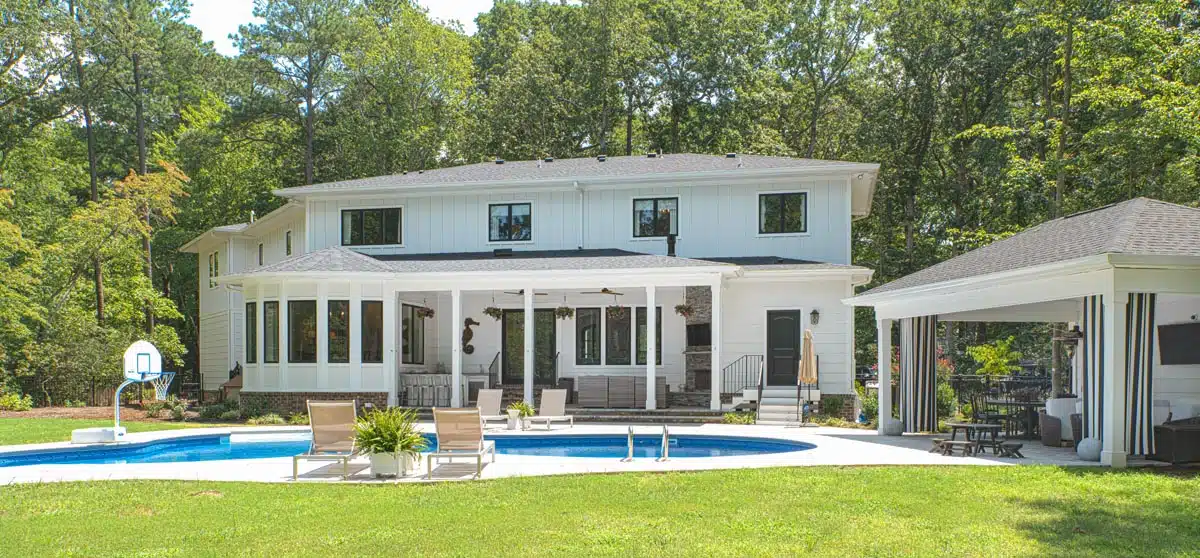
Nonetheless, J.M. Froehler Construction transformed an underutilized lawn with a custom in-ground pool and expansive concrete hardscaping. A premier example of a full-scale backyard renovation!
11 – Foyer and Entryway Transformations

- Statement Flooring Updates: Installing durable, patterned ceramic or porcelain floor tile creates a high-impact cosmetic renovation directly at the home’s entry point.
- Architectural Millwork and Trims: Upgrading door casings with substantial Craftsman-style headers and deep crown molding adds structural elegance without moving any walls.
- Natural Light Bridging: Integrating transom windows above the entry door and elevated transom panels on adjacent walls maximizes ambient brightness across the layout.
12 – Multi-Level Decking and Total Exterior Upgrades
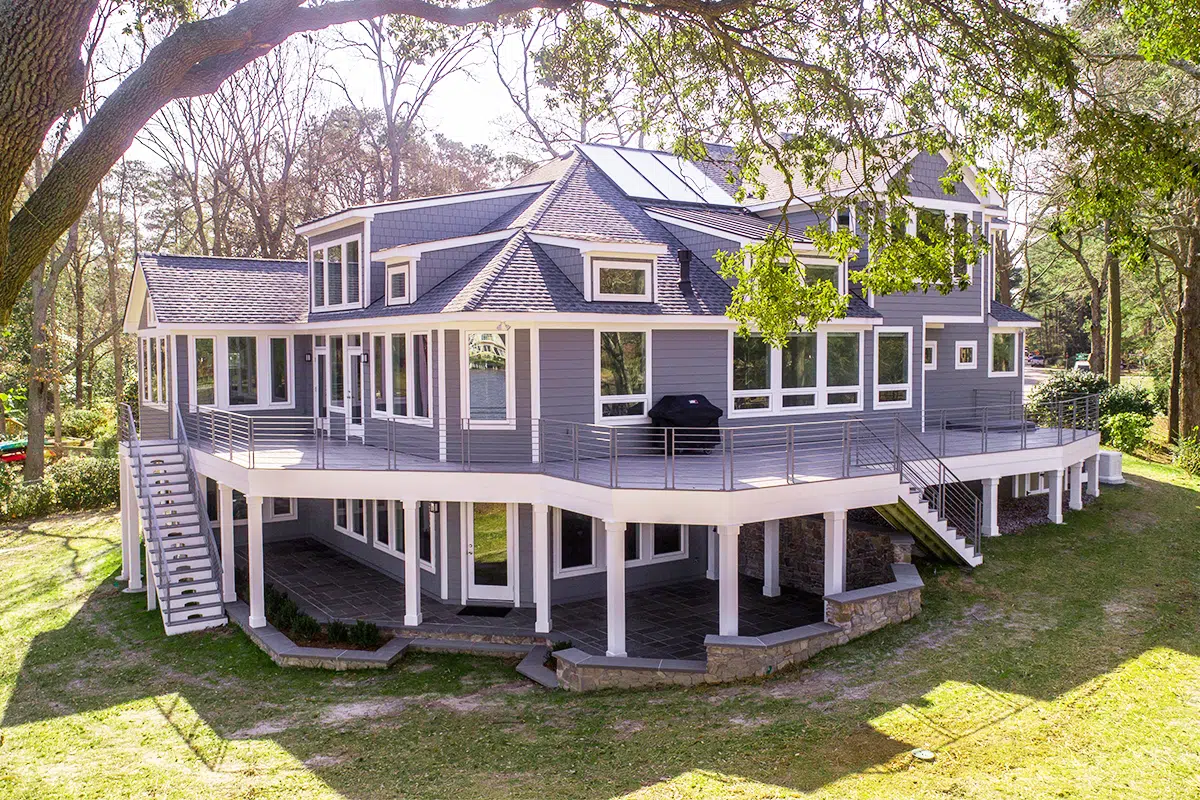
A comprehensive exterior transformation serves as a premier example of a structural and lifestyle renovation combined. This massive project engineers an expansive, wrap-around second-story deck with modern steel cable railings, significantly expanding the home’s functional outdoor living space.
By utilizing the structural pillars below, the design creates a shaded lower-level stone patio that maximizes the property’s footprint, while brand-new shake siding and a multi-gabled roof architectural upgrade protect the home’s envelope for decades.
13 – Covered Patios with Outdoor Fireplaces
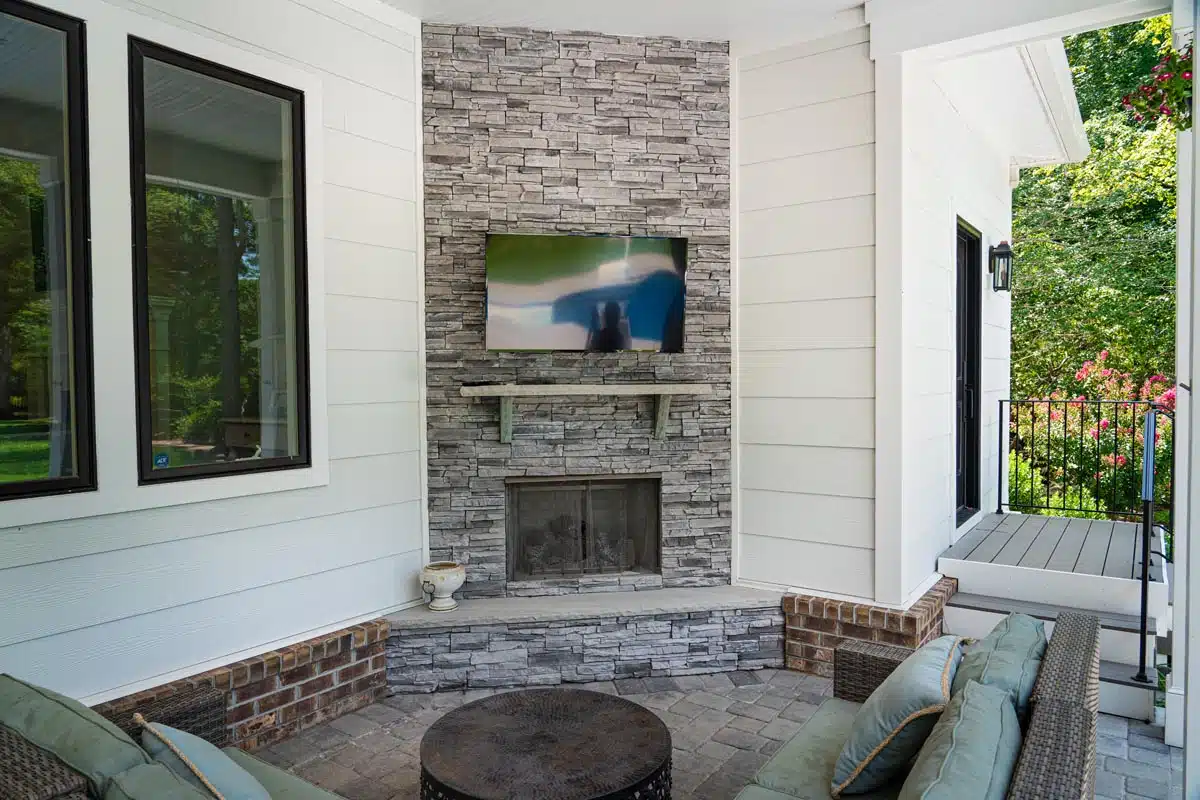
Integrating a floor-to-ceiling stone fireplace into a covered patio layout is a premier lifestyle renovation that extends interior comfort to your outdoor living spaces.
This cozy courtyard design pairs a rustic stone accent wall and floating mantel with durable paver flooring and crisp, white shiplap walls. By mounting a weatherproof television above the hearth, this transformation creates an inviting, multi-functional entertainment hub perfectly protected from the elements.
14 – Two-Story Covered Entry Additions
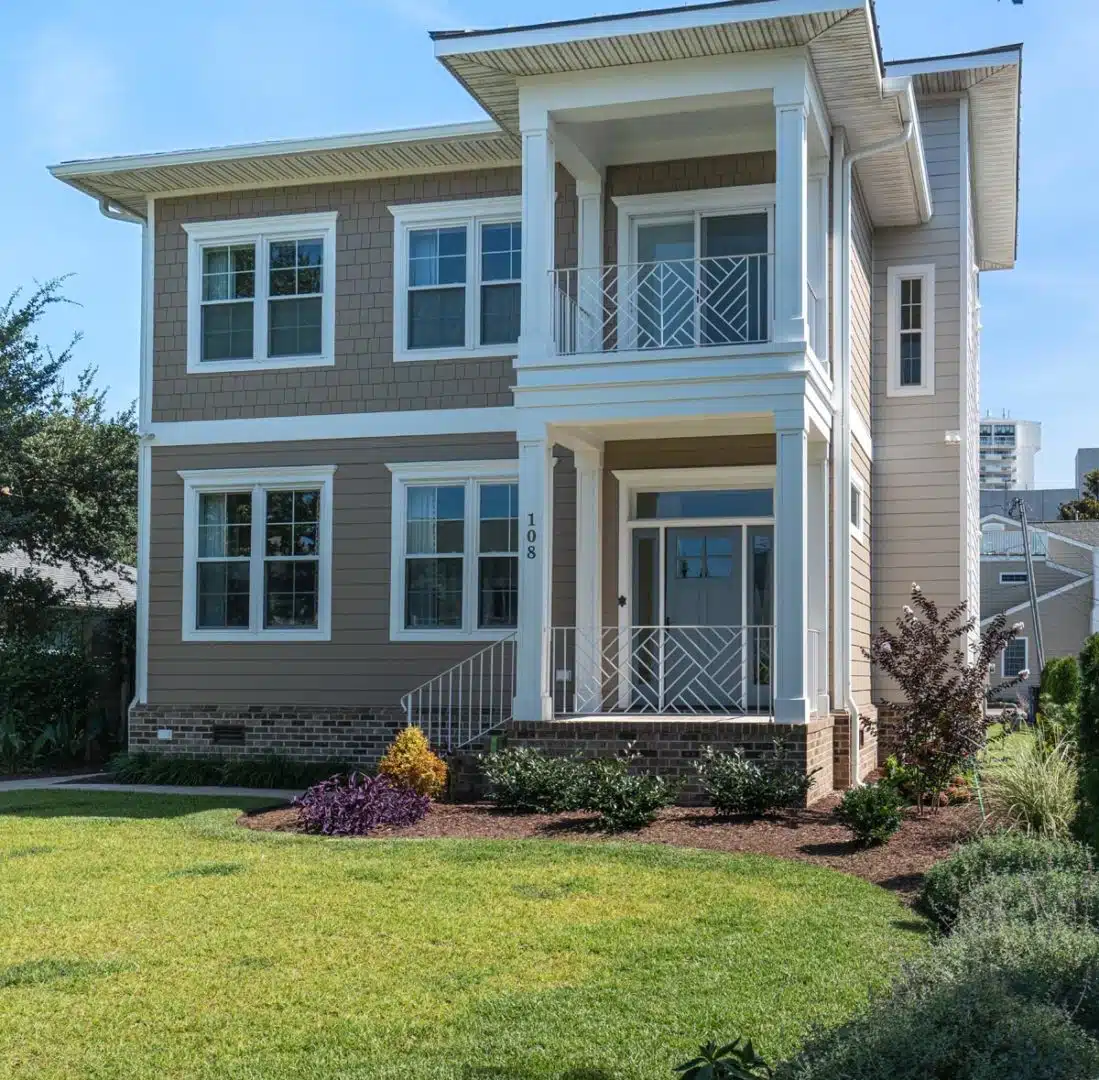
Constructing an integrated, two-story covered front porch is a powerful structural and lifestyle upgrade.
This design engineers a grand, column-supported entry that elevates curb appeal while adding a dedicated second-floor balcony space.
Finished with crisp white trim, modern geometric railings, and multi-textured siding, it delivers striking visual depth and critical weather protection.
15 – Custom Storage and Built-In Library Walls
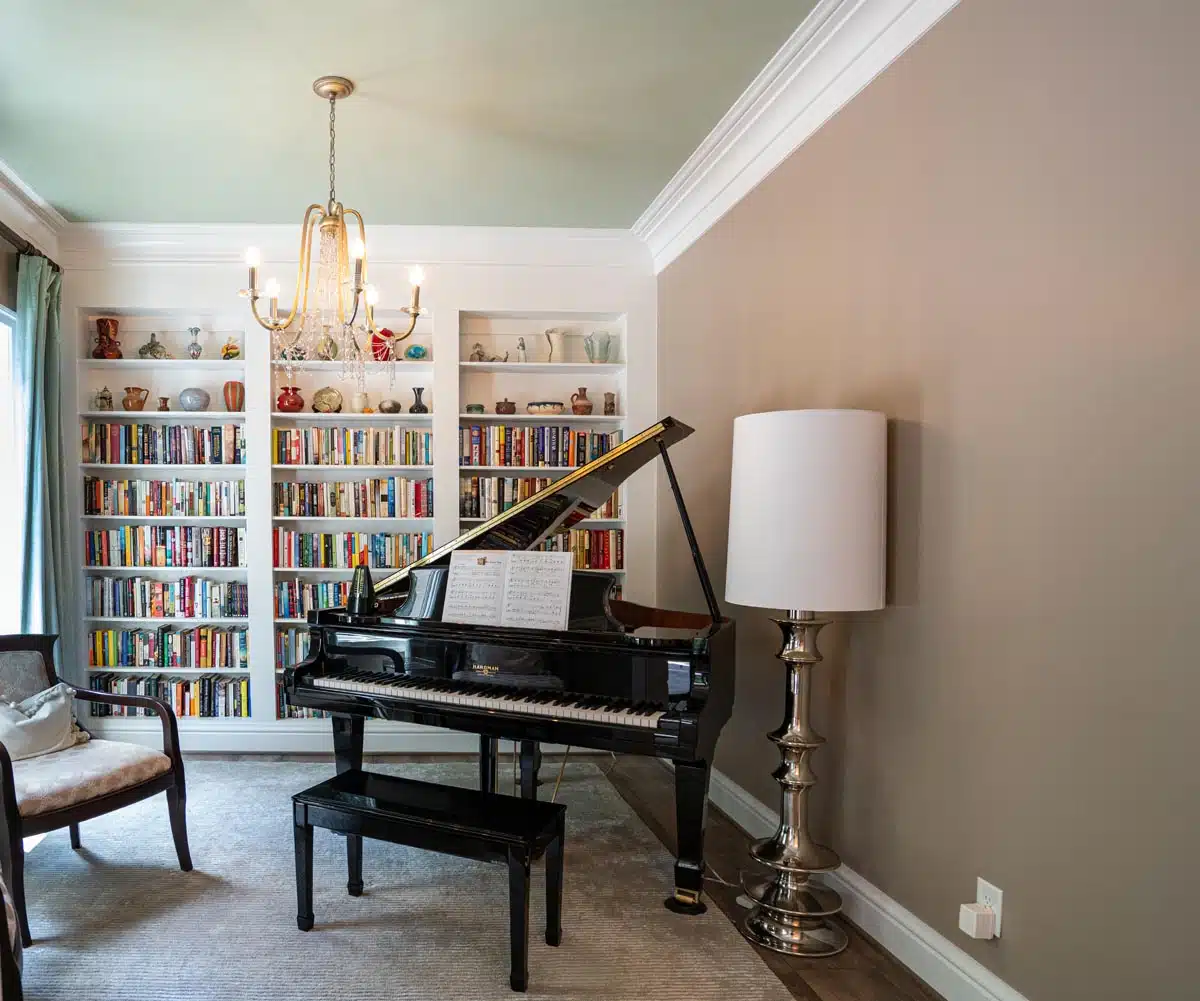
Installing floor-to-ceiling recessed bookshelves is a prime example of a functional room renovation. This library design integrates built-in shelving directly into the wall framing to maximize floor space for a grand piano. Accentuated by deep crown molding and a central brass chandelier, it transforms a standard wall into an elegant architectural feature.
16 – Functional Mudrooms and Integrated Locker Storage
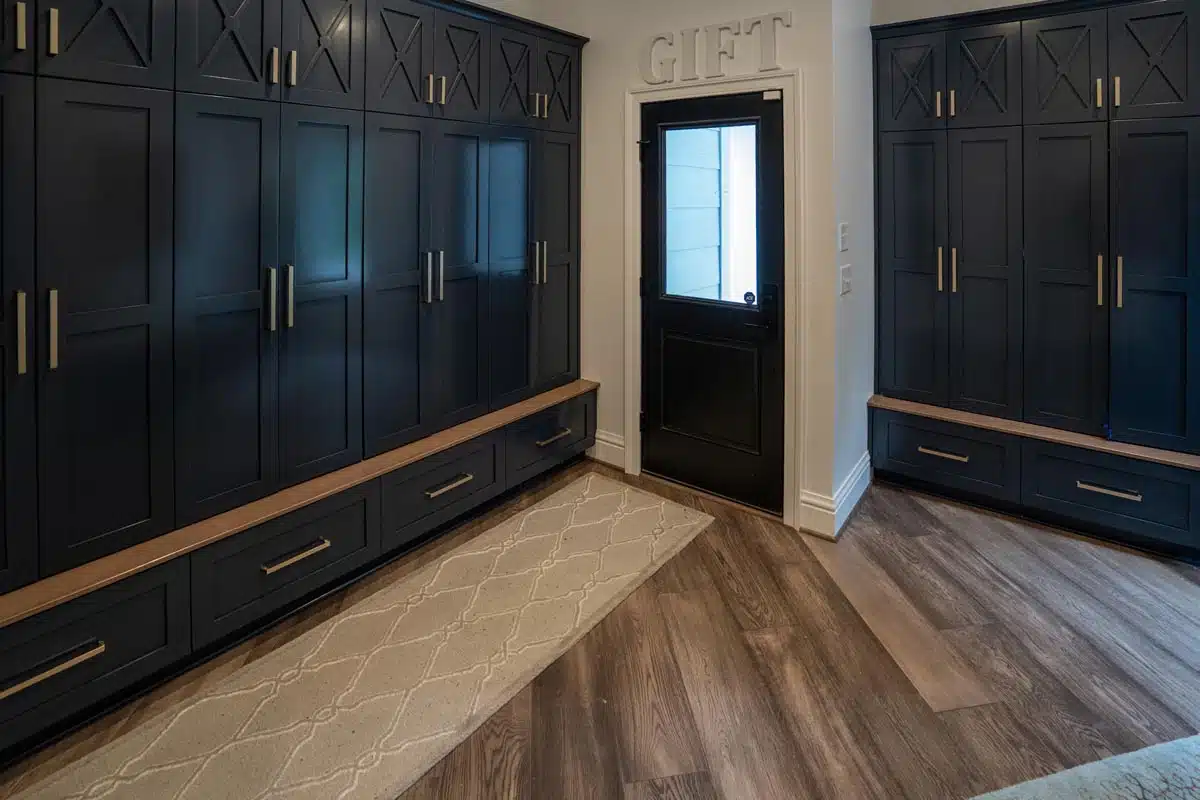
Adding custom, floor-to-ceiling locker cabinetry is a top functional renovation for organizing busy entryways.
This mudroom layout utilizes deep navy built-ins with integrated bench seating, low-profile storage drawers, and modern gold hardware. By maximizing wall storage around the back door, the project effortlessly keeps floor surfaces clutter-free.
17 – Cosmetic Bedroom and Lighting Upgrades
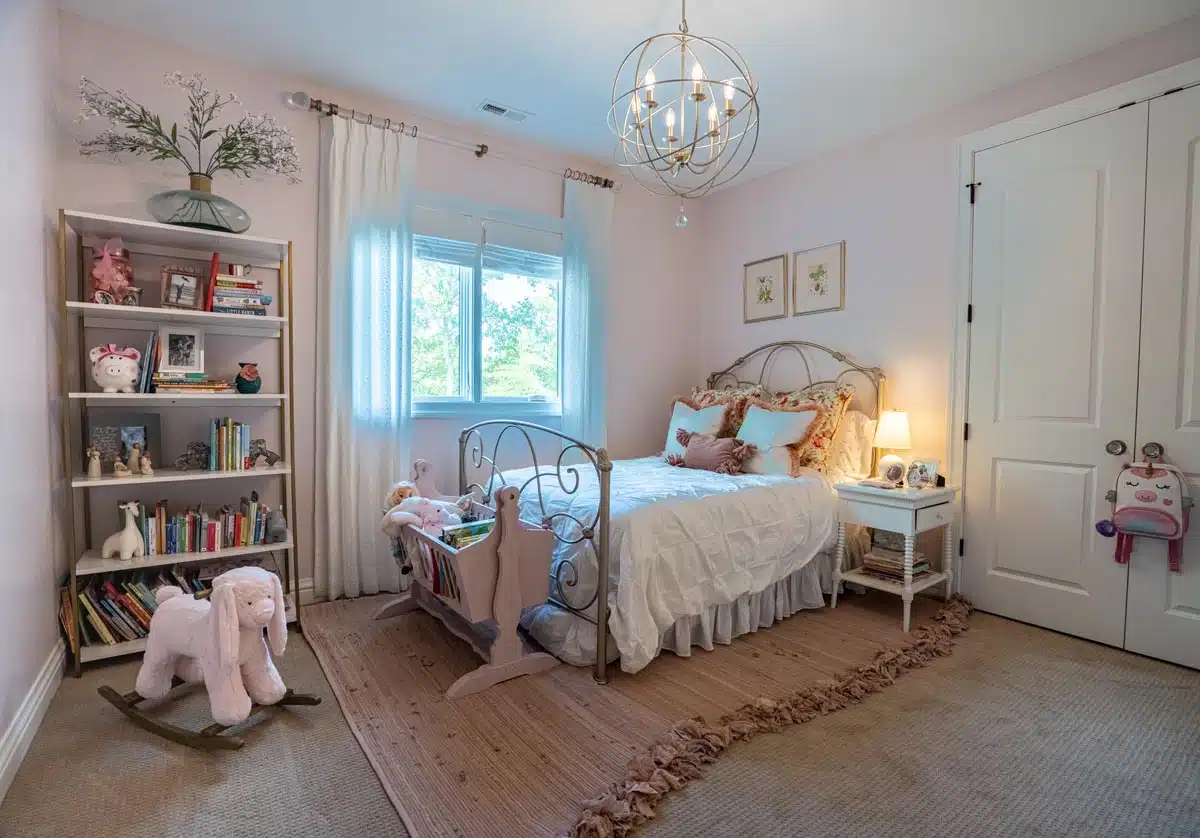
Executing a surface-level cosmetic renovation can completely update a child’s bedroom without altering the structural layout. This design incorporates soft pastel walls, updated carpeting, and a textured accent rug to elevate daily comfort. Replacing outdated fixtures with an open orb chandelier and matching task lamps distributes flattering light evenly across the entire space.
18 – Detached Poolside Entertainment Pavilions
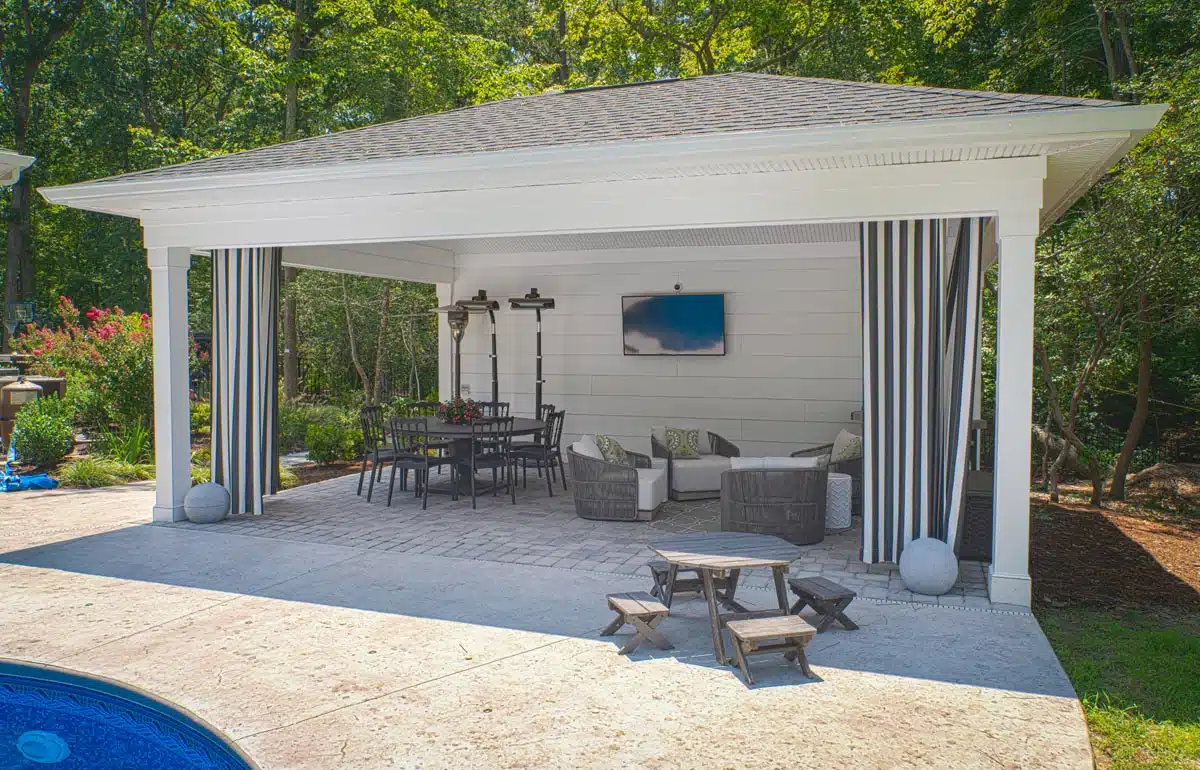
Constructing a detached poolside pavilion is an excellent example of a lifestyle and expansion renovation that maximizes outdoor living. Equipped with a mounted television, patio heaters, and striped privacy curtains, it creates a high-value retreat for lounging and dining.
The 18 examples above illustrate the immense scope of home renovation, encompassing everything from energy-saving window replacements and functional kitchen remodels to major lifestyle expansions like covered patios and detached pavilions.
Regardless of the project’s size or complexity, success is ultimately determined long before the first wall is opened. With a clear understanding of the possibilities, the critical next step is to master the planning process.
How do I prepare my home for renovations?
A successful renovation starts long before demolition begins. Proper preparation helps reduce stress, protect your belongings, and keep the project moving as efficiently as possible.
Whether you’re remodeling a single room or undertaking a larger renovation, taking a few proactive steps can make the experience significantly smoother.
Define Your Goals Before Construction Begins
Before work starts, identify what you want the renovation to accomplish.
Ask yourself:
- What problems am I trying to solve?
- Which spaces need the most improvement?
- What is my realistic budget?
- Which upgrades are priorities versus nice-to-have features?
Having clear goals helps prevent costly changes once construction is underway.
Establish a Realistic Budget
Many homeowners focus solely on construction costs and overlook expenses such as:
- Temporary housing or accommodations
- Storage solutions
- Permit fees
- Design services
- Contingency funds for unexpected discoveries
A renovation budget should include room for surprises, especially in older homes where hidden issues may not become apparent until walls are opened.
Declutter and Protect Your Belongings
Construction creates dust, noise, and frequent movement throughout the work area.
Before the project begins:
- Remove valuable items
- Pack away fragile décor
- Relocate electronics
- Protect furniture near construction zones
- Organize important documents
The fewer items contractors need to work around, the safer and more efficient the project becomes.
Create Temporary Living Arrangements
This is a specific tip from Matt Froehler:
“Depending on the scope of work, portions of your home may become temporarily unusable. You may need alternative plans for cooking, laundry, bathrooms, etc.”
Preparing for these disruptions in advance can significantly reduce day-to-day frustration during construction.
Communicate With Your Contractor
One of the best ways to prepare is by establishing clear communication before work begins.
Discuss:
- Project timelines
- Work hours
- Site access
- Parking requirements
- Material deliveries
- Expected disruptions
Knowing what to expect helps homeowners feel more comfortable throughout the renovation process.
Prepare for the Unexpected
Even well-planned renovations can uncover hidden challenges.
Examples include:
- Water damage
- Outdated wiring
- Plumbing issues
- Structural deficiencies
- Code compliance updates
Maintaining flexibility and setting aside contingency funds helps prevent these discoveries from becoming major setbacks.
If you live in Cape Charles, coastal conditions can occasionally reveal moisture-related issues during renovation projects. Addressing these concerns early helps protect the long-term performance and value of your home.
The more preparation completed before construction begins, the more likely your renovation will stay organized, efficient, and aligned with your goals.
Home renovations YouTube channels to get ideas
One of the best ways to explore renovation possibilities before starting a project is by watching experienced builders, remodelers, and home improvement professionals. YouTube can provide valuable insight into design trends, construction processes, budgeting considerations, and real-world renovation results.
While every home and renovation project is unique, the following channels are excellent sources of inspiration for homeowners researching potential upgrades.
This Old House
One of the most respected names in home improvement, This Old House covers everything from structural repairs and remodeling projects to energy efficiency upgrades and maintenance tips.
Homeowners can see professional contractors tackle real renovation challenges while explaining the reasoning behind each decision.
Home RenoVision DIY
This channel focuses on practical renovation advice and project walkthroughs. While many videos are geared toward DIY enthusiasts, homeowners can also gain a better understanding of construction methods and renovation planning.
Topics range from flooring and drywall to bathroom remodels and finishing work.
Matt Risinger
Matt Risinger’s channel is known for its focus on high-performance building practices. Videos frequently cover energy efficiency, building science, moisture management, and smart home upgrades.
For homeowners interested in renovations that improve long-term performance and reduce operating costs, this channel offers valuable insights.
Stud Pack
Stud Pack combines renovation education with real-world project execution. The channel follows a father-and-son team as they complete remodels, additions, and construction projects while explaining the process along the way.
The content is particularly useful for homeowners who want a realistic view of what renovation work actually involves.
What to Remember When Gathering Ideas
Inspiration is helpful, but every home has unique conditions, budgets, and priorities.
When evaluating renovation ideas, ask yourself:
- Will this improve daily functionality?
- Will it reduce long-term maintenance costs?
- Will it increase energy efficiency?
- Will it add value to the property?
- Does it fit my budget and long-term goals?
The smartest home renovations are not always the most dramatic. Often, the upgrades that provide the greatest return are the ones that improve how a home performs, save money, and support your lifestyle for years to come.
FAQs
Do I need permits for home renovations?
It depends on the scope of the project.
Cosmetic updates such as painting, flooring replacement, or cabinet refinishing typically do not require permits. However, projects involving structural changes, electrical work, plumbing modifications, additions, or major system upgrades often do.
Permit requirements vary by municipality, so it’s important to verify local regulations before construction begins. A qualified contractor will typically help determine which permits are necessary and handle the application process when appropriate.
Obtaining the proper permits helps ensure the work meets current building codes and can prevent complications when selling the home in the future.
Can I live in my home during renovations?
In many cases, yes.
Whether you can comfortably remain in your home depends on the size and location of the renovation.
Homeowners often stay in the house during:
- Single-room remodels
- Exterior renovations
- Minor kitchen updates
- Cosmetic improvements
Temporary relocation may be worth considering when projects involve:
- Multiple living areas simultaneously
- Major structural work
- Extensive plumbing or electrical upgrades
- Whole-home renovations
Your contractor can help you understand the expected disruptions and determine whether remaining in the home is practical.
What is the most expensive part of home renovations?
The most expensive component varies from project to project, but kitchens, bathrooms, and structural modifications are often among the highest-cost renovations.
Several factors can drive expenses upward:
- Custom cabinetry
- Layout changes
- Plumbing relocation
- Electrical upgrades
- High-end finishes
- Structural engineering requirements
In older homes, unexpected discoveries behind walls can also increase costs. This is one reason experienced contractors recommend maintaining a contingency budget for unforeseen conditions.
Should I renovate before selling my home?
Sometimes—but not always.
The best approach depends on your local market, the condition of the property, and your budget.
Strategic improvements often provide strong returns, including:
- Fresh paint
- Updated flooring
- Improved lighting
- Minor kitchen updates
- Bathroom refreshes
- Enhanced curb appeal
Large-scale renovations do not always return their full cost before a sale. In some situations, focusing on repairs, maintenance, and presentation delivers a better return on investment than a complete remodel.
If you plan to sell in the near future, consider prioritizing improvements that appeal to the widest range of buyers.
How do I choose a home renovation contractor?
Choosing the right contractor is one of the most important decisions in any renovation project.
When evaluating contractors, look for:
- Proper licensing and insurance
- Experience with projects similar to yours
- Strong client reviews and references
- Clear communication
- Detailed proposals and contracts
- Realistic timelines and expectations
Don’t be afraid to interview multiple contractors before making a decision.
A quality contractor should be willing to explain their process, answer questions thoroughly, and provide transparency regarding costs, scheduling, and project management.
If you live in Virginia Beach, selecting a contractor familiar with coastal construction considerations can be especially valuable when planning renovations that affect durability, moisture management, or long-term home performance.
Is a full home renovation worth it?
For many homeowners, yes.
A full home renovation can improve functionality, energy efficiency, comfort, and property value while allowing you to remain in a location you already enjoy.
The decision often comes down to comparing renovation costs with the expense of moving to a different home.
A comprehensive renovation may be worthwhile when:
- The home’s structure is sound
- The location meets your needs
- Multiple areas require updating
- The improvements align with long-term goals
However, every situation is unique. The best renovation investments are the ones that solve meaningful problems while delivering benefits you’ll enjoy for years to come.
When planned thoughtfully, a full renovation can transform an outdated house into a home that better supports your lifestyle, improves efficiency, and increases overall value.
Invest in Upgrades That Deliver Real Returns
Home renovations are about more than updating appearances. The most successful projects improve how a home functions, increase efficiency, reduce long-term costs, and add meaningful value to the property.
Throughout this guide, we’ve explored what home renovations involve, the proper order for planning a project, and the different types of improvements homeowners commonly pursue. We also looked at practical ways to prepare for a renovation, where to find inspiration, and the factors that help determine whether an upgrade is likely to deliver a strong return on investment.
While every home is different, the smartest renovation decisions tend to focus on long-term performance rather than short-term trends. Energy-efficient improvements, functional layouts, updated living spaces, and well-executed structural upgrades often provide benefits that homeowners continue to enjoy for years through increased comfort, lower maintenance costs, and improved property value.
Whether you’re considering a kitchen remodel, a home addition, a whole-house renovation, or a series of smaller improvements, careful planning and experienced guidance can help ensure your investment works as hard as possible for you.
If you’re ready to explore renovation opportunities that align with your goals, budget, and lifestyle, learn more about professional renovation and addition services!
The best home renovations don’t just change how a house looks—they change how it performs, how it supports your family, and how much value it delivers for years to come.